The Erfgoedfabriek: what does the future hold?

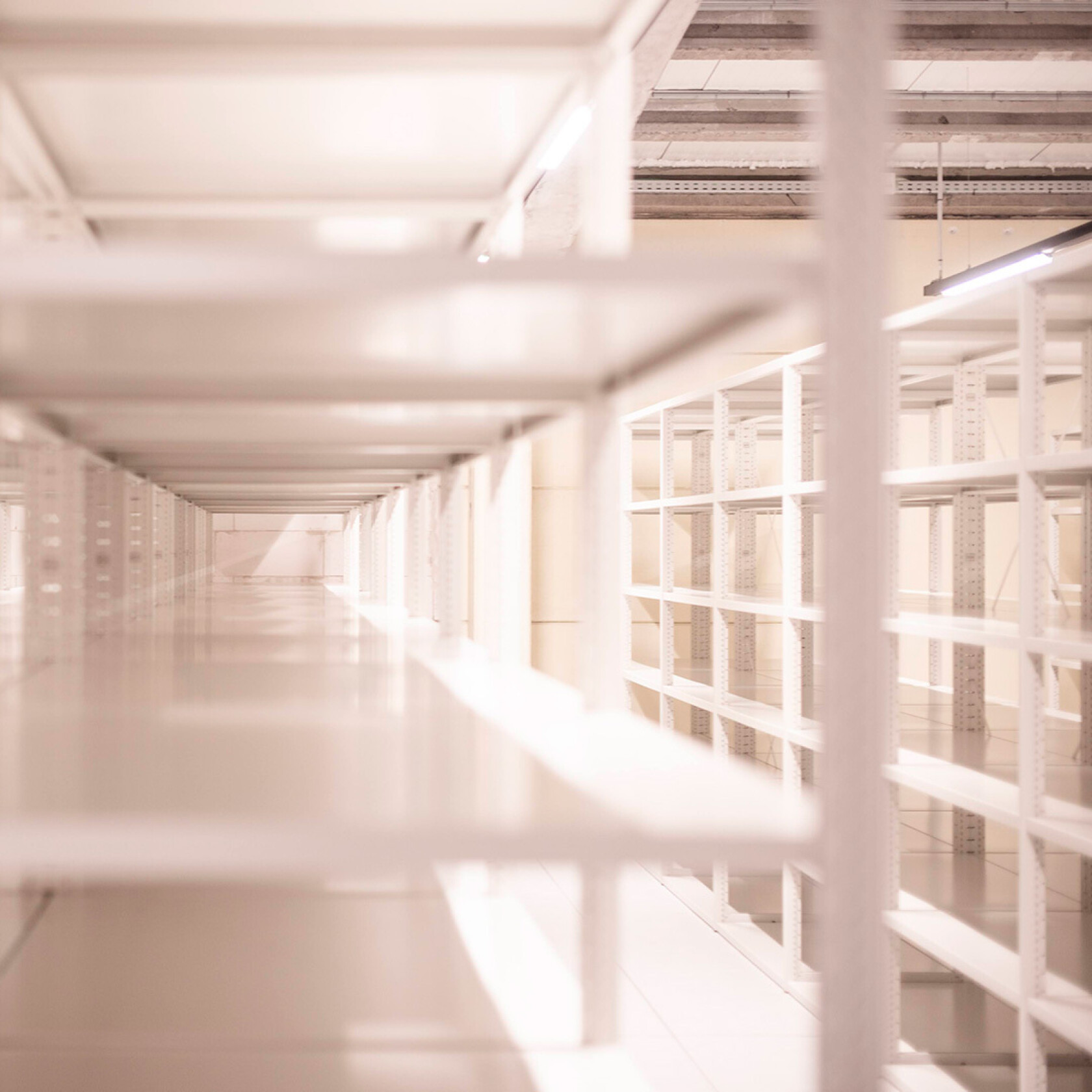
The Erfgoedfabriek has now been open for just under a month, so it’s the perfect moment to take a look at what lies ahead. This brand-new depot marks the beginning of a new chapter for the storage operations of Musea Brugge, Raakvlak, and the broader region around Bruges. What challenges do we face today, and what does the future hold?
Every object housed in the Erfgoedfabriek is bursting with stories about the Bruges region and its inhabitants. These span all periods and facets, from prehistory to the present day. It’s fantastic to finally be able to centralise all this beauty and preserve it under optimal conditions for future generations. But first, there’s still plenty of work to do.
Starting this summer: moving in
Over the past few years, we’ve carefully registered and packed our collection objects in preparation for the move. Now that the depot building is ready to receive them, it’s time to move. The relocation will be carried out in two phases.
Phase 1: Inorganic Objects
Between July and December, we will move our inorganic objects. Inorganic materials, such as stone, glass, ceramics, plaster, and various metals, are largely resistant to insects and fungi. That means we don’t need to treat these objects before placing them on the shelves. During the preparation for the move, all objects were carefully cleaned and neatly packed (more on getting objects ready for moving). Thanks to the extensive preparatory work over the past few years, these objects can now go directly to their new home in the Erfgoedfabriek.


Phase 2: Organic Objects
From 2024, we will begin moving our organic objects in the collection. Organic materials, such as wood, reed, and textiles, require extra treatment, so we’re waiting until our anoxia chamber is installed before we start this phase. This special treatment chamber is designed to eliminate insects that could be present in organic objects. To protect our collection from insect damage and prevent contamination, all objects made from organic materials will first be treated in the anoxia chamber. Objects will be placed in the sealed treatment chamber, after which a generator removes all oxygen from the air. Only nitrogen will remain, and any insects in the objects will perish without oxygen. This treatment takes 21 days but provides an essential advantage for sustainable, long-term preservation.
From 2026: Regional operations roll-out
The anoxia chamber isn’t just valuable for our own work, it’s also a rare resource for the wider region. It's one of the few permanent anoxia (low-oxygen) chambers in the Flemish heritage sector, and the Erfgoedfabriek is happy to make it available to all regional heritage managers who need it.
But that’s not all. From 2026, the Erfgoedfabriek aims to expand its role and become the beating heart of depot management and heritage operations in the Bruges–Ostend region. Together with Erfgoedcel Bruges and Erfgoedcel Kusterfgoed, we will launch a new regional heritage and depot network and start a learning network for heritage managers. Regional heritage partners will be able to turn to the Erfgoedfabriek for bespoke advice and education. Moreover, the facility will provide space for emergency and transitional housing for regional heritage collections.
So, lots of exciting prospects ahead for this new state-of-the-art depot building. We're all set to go, and looking forward to taking you further behind the scenes of our moving and storing operations in our monthly moving blog.


