
Hub! From depot to digital collection
Project content
In the run-up to the opening of BRON, a new collection hub forming part of the BRUSK art site, Musea Brugge is investing heavily in the digital access to its collections. The large-scale cataloguing project ‘Hub! From depot to digital collection’ (2021–2023) followed earlier registration initiatives by the Print Room, such as ‘Verrijk de kijk op Brugge’ (“Enriching Perspectives on Bruges”, 2020–2021) and ‘Leerling-Meester’ (“Apprentice-Master”, 2022–2023) by the Print Room.
BRON Research Centre
With the opening of BRUSK in 2025, Musea Brugge welcomes a new exhibition hall for temporary exhibitions and state-of-the-art storage facilities for the most fragile collections. In addition to workspaces for the Musea Brugge curators, the adjoining BRON will house the museum library and a consultation room for works on paper.
Musea Brugge aims to offer optimal facilities for collection research in the new hub. Eventually, a digi-lab will make the museums’ entire holdings accessible online. Uniquely, the Print Room’s original works will be the only Musea Brugge sub-collection that can be requested from the depot for research in the consultation room.
Artworks on paper
The sub-collection of artworks on paper – around 20,000 objects – is the second-largest Musea Brugge collection, after Ethnography. It is managed by the Print Room, currently housed on Mariastraat. This collection is still expanding rapidly, with significant individual acquisitions and groups of artworks. Since 2013, the museum has made a strong commitment to this fragile and largely hidden collection through academic research by its own staff, resulting in, among other things, a series of exhibitions at the Arentshuis. Each year, the Print Room welcomes researchers and heritage enthusiasts who study the original pieces, and museums in Belgium and abroad regularly request works on loan.

Catch-up in collection cataloguing
The project ‘Hub! From depot to digital collection’ focused actively on cataloguing, digitization, and public access to prints and drawings, preserved both as loose sheets and in albums. This provides a significant boost to the development of the new collection hub, both physically and digitally.
The project covered two major sub-collections, namely the donated Guy Van Hoorebeke print collection and the drawing collection of the Jean van Caloen Foundation, on long-term loan to Musea Brugge. The print collection comprises more than 3,100 prints from the sixteenth century through to contemporary graphic art, including works by Pieter Bruegel the Elder, Ensor and Alechinsky. Because of its size, the acquisition could not be fully catalogued right away; the current project is catching up on that backlog.
In addition, within a working group with Museum M Leuven, Museum Hof van Busleyden, the Bruges Public Library, KU Leuven Libraries – Digitization Service and Museum Plantin-Moretus, Musea Brugge helped draft a guideline for cataloguing and digitizing albums. A number of diverse albums were selected (including prints, drawings and photographs, both loose and pasted in, with and without text). Musea Brugge committed to cataloguing and digitizing these varied test cases from its own collection and, based on that process, establishing a sustainable working method. The elaboration of this strand resulted in a publication on CEST, the Cultural Heritage Standards Toolbox.
Focus on the Van Hoorebeke collection
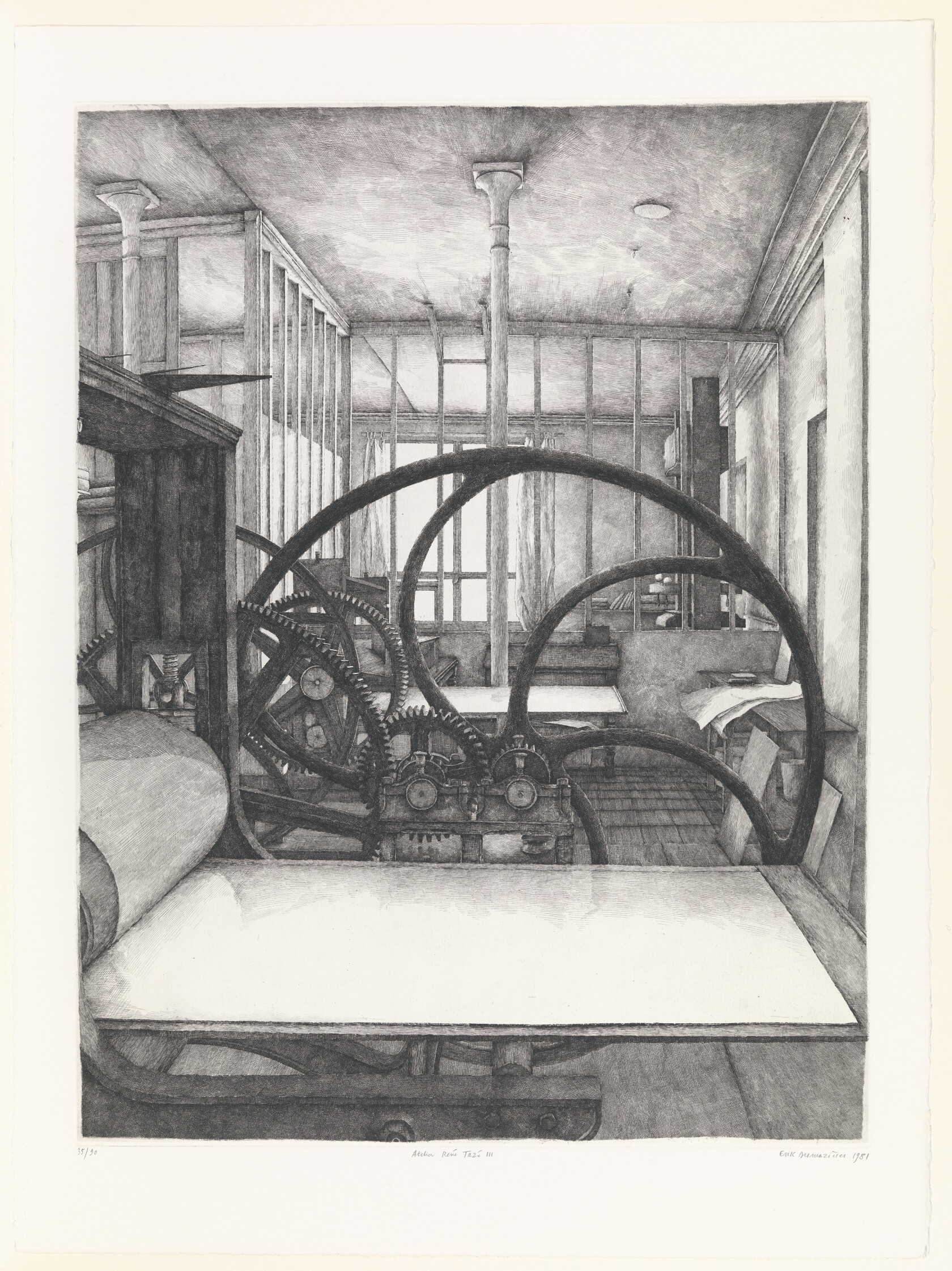
There are numerous gems in the internationally oriented collection of print dealer Guy Van Hoorebeke, from early sixteenth-century prints by Lucas van Leyden to works by the contemporary French artist Erik Desmazières (b. 1948). When Van Hoorebeke opened his business in 1979, he set the bar high with the purchase of prints Anthony van Dyck’s (1599–1641) Iconography, a famed series of portraits of statesmen, military figures, scholars and artists. The emphasis was always on old master prints, but he also succeeded in collecting important ensembles by modern artists, such as Mortimer Menpes (1860–1938) and Jules de Bruycker (1870–1945). Van Hoorebeke built his collection rapidly, buying at major auctions, including those of the Dukes of Devonshire and of the Fürst zu Fürstenberg. Prints from his dealership dispersed across the globe. When he closed his business in 2004, he devoted himself entirely to his personal print collection, which found a home at Musea Brugge in 2014. Explore the Van Hoorebeke print collection online.

Drawings collection of the Jean van Caloen Foundation
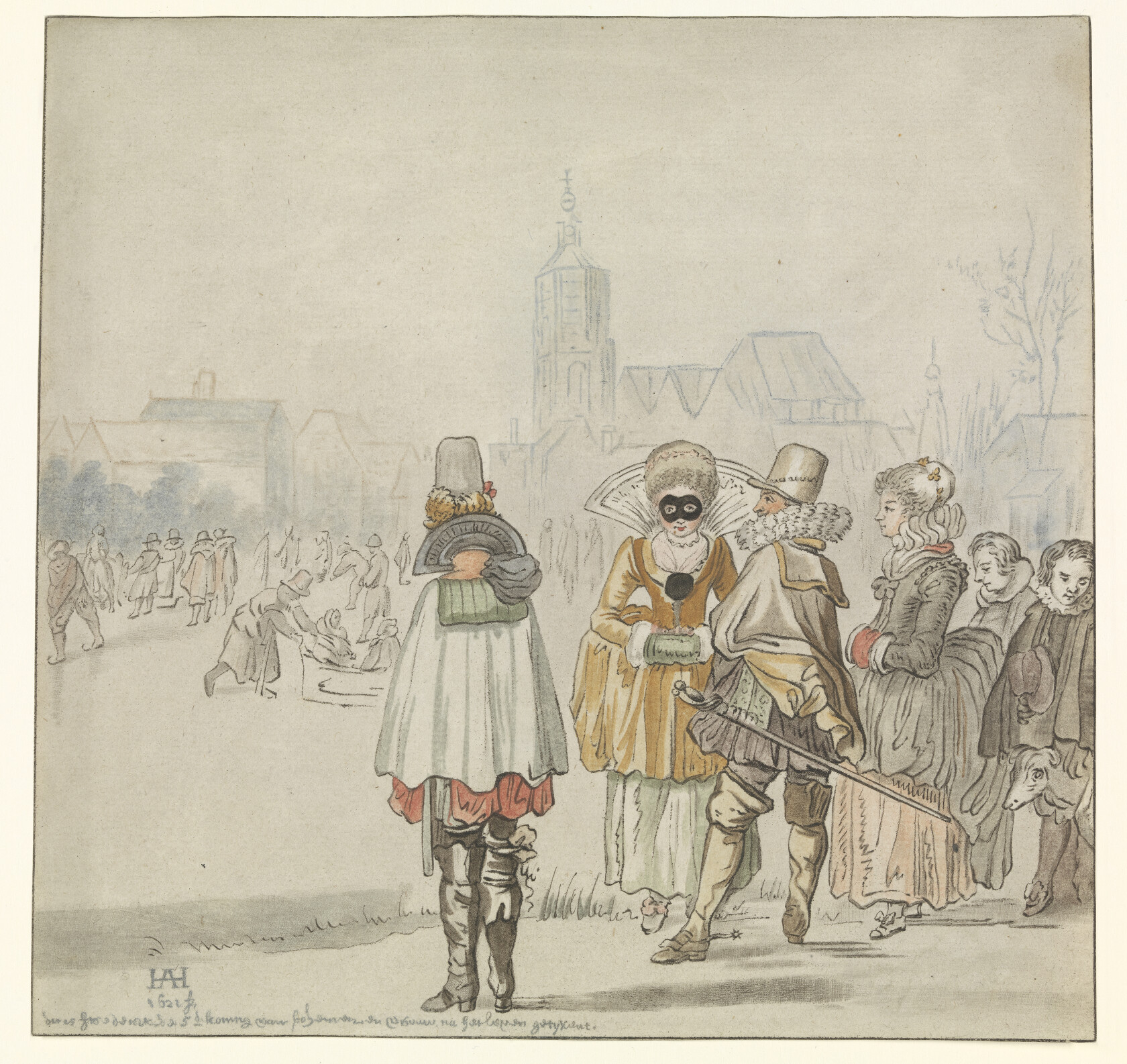
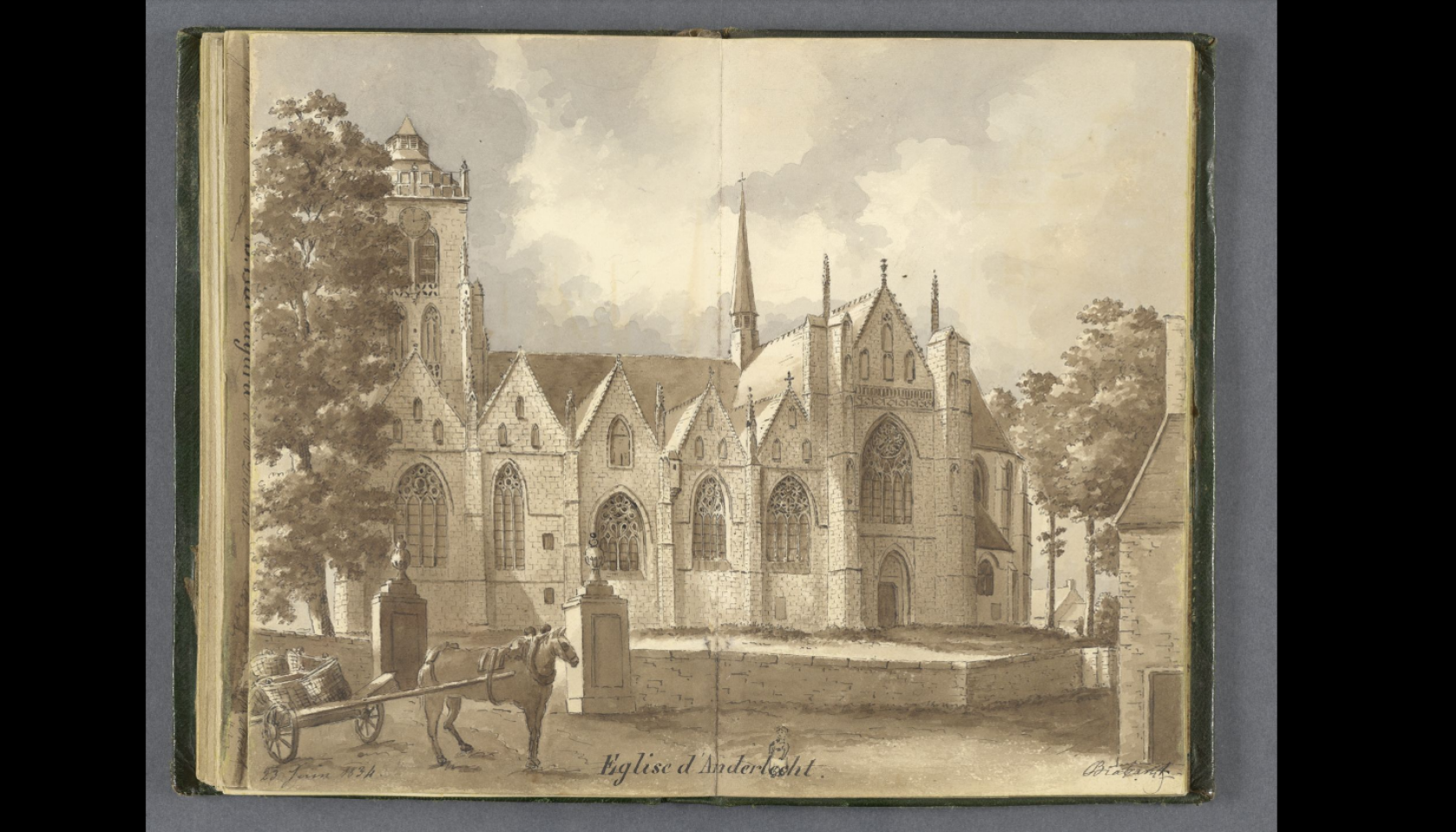
In 2022, Musea Brugge had the great pleasure of receiving the drawings collection of the Jean van Caloen Foundation into its care. The collection comprises well over 1,900 unique drawings and 44 sketchbooks. The drawings date from the 16th to the 20th centuries and include many highlights from the Belgian and Dutch, but also the French and Italian schools. Several drawings also have links to Bruges or relate to works already held in the Print Room. Between 17 and 22 May 2022, a small-scale exhibition of seven masterpieces from the collection was held. As part of this project, the drawings were digitally catalogued and inventoried. Subsequently, the works will soon (2024) be made available online on our website, so that they are accessible and searchable for everyone. Explore the Jean van Caloen Foundation drawings online.
During the cataloguing process, careful attention was paid to the conservation of works on paper. They were placed in acid-free mounts or folders and, where appropriate, stored in acid-free boxes. Necessary treatments were carried out, such as dry cleaning, stabilization and the removal of tape and adhesive residues. These conservation measures were essential to halt deterioration and safeguard the objects for the future.
Digitization
The cataloguing of works on paper consistently went hand in hand with digitization. An external photographer was engaged to photograph the works in accordance with the Metamorfoze light guidelines. Over three years, ten days a year were reserved for photography in the Musea Brugge Print Room. A flexible camera set-up was used to accommodate the varied dimensions of the objects. The digitized images were stored in Musea Brugge’s Digital Asset Management system and made fully available via IIIF (International Image Interoperability Framework). This allows the objects to be viewed and leafed through online, accessible to a wide audience. Take a look at the faro project page for more details about the digitization and online availability of the works.
The project ‘Hub! From depot to digital collection’ was made possible with support from the Flemish Government, which provides grants to Flemish heritage institutions for catch-up initiatives in digital collection cataloguing. The Flemish non-profit meemoo, the centre of expertise for digital cultural heritage in Flanders and Brussels, oversees all funded projects and shares its expertise.
Would you like to know more about the “Enrich your view of Bruges” project? Click here.

